
Hard vs Soft Cat Carrier: Which Is Better for Your Cat?
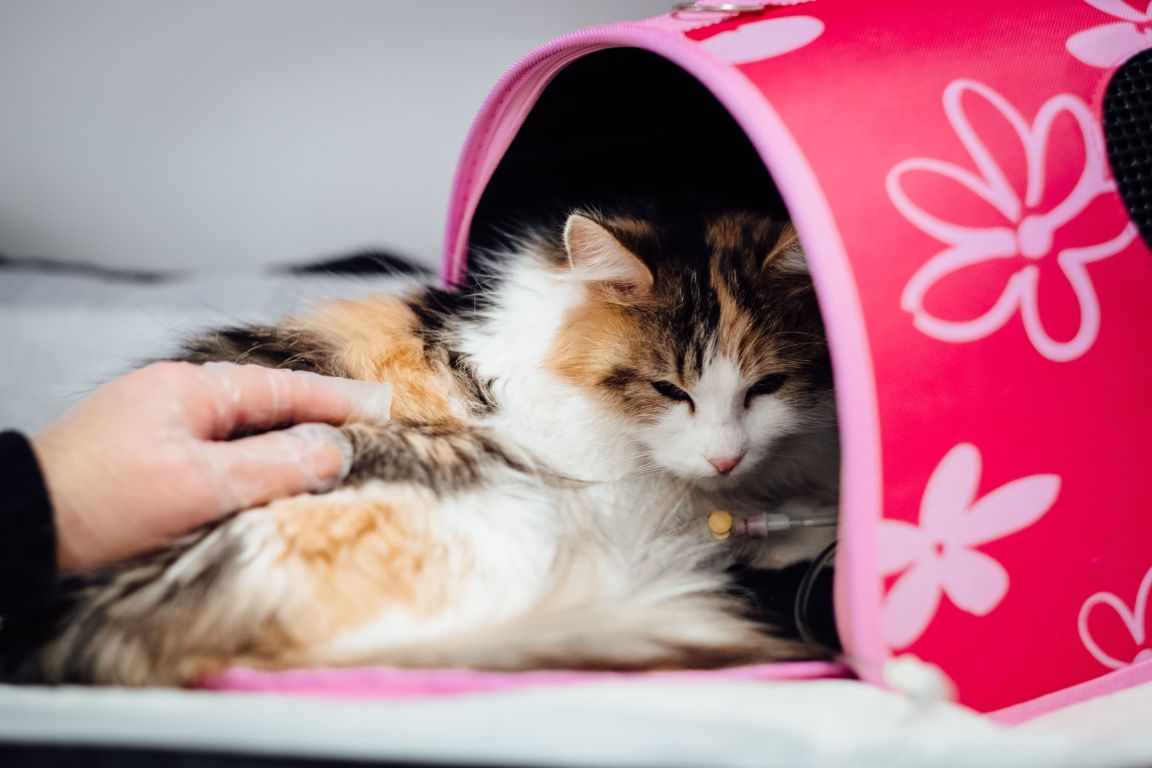
Choosing between a hard and soft cat carrier sounds simple until you actually start comparing them. Both styles can work well, but they suit different cats, different owners, and different kinds of travel.
A calm cat going on occasional short trips may be perfectly comfortable in a lightweight soft carrier. A nervous cat that scratches, pushes at doors, gets carsick, or strongly resists veterinary visits may be easier to manage in a sturdy hard-sided carrier.
The best choice is therefore less about which type is universally “better” and more about which carrier makes your cat feel secure while still being practical for you to handle, clean, and transport.
Hard vs Soft Cat Carrier: Quick Comparison
| Feature | Hard Carrier | Soft Carrier |
|---|---|---|
| Structure | Rigid and supportive | Flexible, usually fabric with mesh panels |
| Weight | Usually heavier | Usually lighter |
| Cleaning | Generally easier to wipe and wash | May require more effort if fabric becomes soiled |
| Escape resistance | Good for cats that push, scratch, or bite | Best for calmer cats that do not attack mesh or zippers |
| Storage | Takes up more space | Some models fold or compress |
| Vet access | Excellent if the top can be removed | Good if it has wide top and side openings |
| Air travel | Useful for some cargo requirements | Often easier for in-cabin travel, depending on airline rules |
When a Hard Cat Carrier Makes More Sense
Hard-sided carriers are typically made from molded plastic with a metal or plastic door. Their biggest advantage is their rigid structure.
The walls do not fold inward when you lift the carrier, and an anxious cat has less opportunity to claw through fabric or force its way against a flexible side panel.
Hard carriers are easier to clean after accidents
If your cat urinates, vomits, sheds heavily, or has an upset stomach during travel, a plastic carrier is usually easier to deal with afterward. Most hard surfaces can be wiped or washed without absorbing much moisture.
This can be especially useful for cats that experience motion sickness or toileting accidents during car rides.
They can be better for nervous or determined cats
Some cats become very active once the carrier door closes. They may scratch the sides, push against openings, or chew at anything they can reach.
A well-made rigid carrier provides a more substantial barrier than mesh and fabric. That can give owners more confidence when carrying a particularly anxious or strong cat through a parking lot, airport, or veterinary clinic.
A removable top can make vet visits easier
One of the most useful hard-carrier features is a top section that clips or bolts onto the base.
With some cats, a veterinarian may be able to remove the upper half and perform part of the examination while the cat remains sitting in the familiar lower section instead of being pulled through a small front door.
If vet visits are one of the main reasons you need a carrier, this feature is worth looking for.
Hard carriers have a few drawbacks
The biggest downside is bulk. A hard carrier takes up space even when you are not using it, and larger models can be awkward to carry.
They are also generally less forgiving when trying to fit them into a tight space. If you frequently use public transportation or need to carry your cat for longer distances, the rigid shape can become cumbersome.
When a Soft Cat Carrier Makes More Sense
Soft carriers usually combine fabric walls with mesh ventilation panels and zipper openings. Good models still have internal structure, but they are usually lighter and more flexible than molded plastic carriers.
They are easier to carry
For many owners, weight is the biggest advantage.
A carrier may not feel heavy when it is empty, but once you add a 10- or 15-pound cat, bedding, and perhaps a few travel supplies, every extra pound matters.
Soft carriers frequently include shoulder straps, padded handles, or both, which can make walking from the car to a clinic or through an airport more comfortable.
They can work well for calm cats
If your cat generally settles once placed inside a carrier and does not claw aggressively at mesh, a quality soft-sided model can be very practical.
Mesh panels also allow more visibility. Some curious cats seem comfortable watching what is happening around them, although more nervous cats may prefer having part of the carrier covered with a familiar towel.
They may be easier to store
Some soft carriers can fold down when they are not being used. That makes them convenient for apartments, small homes, or owners who do not have much storage space.
However, a carrier should not be hidden away permanently just because it folds. Leaving the carrier accessible at home can help your cat stop associating it only with stressful trips.
Soft carriers are not ideal for every cat
A determined cat can sometimes damage mesh, work at a zipper, or push against a flexible wall. That does not mean every soft carrier is insecure, but build quality matters considerably.
Look for reinforced mesh, strong seams, secure zippers, and enough internal structure that the carrier does not collapse onto your cat when you lift it.
Which Is Better for an Anxious Cat?
For a cat that becomes highly stressed during transport, I would generally lean toward a sturdy hard carrier with both front and top access, preferably with a removable upper section.
The rigid construction provides a predictable enclosed space, and removable-top designs can make veterinary handling less stressful.
That said, cats can develop strong negative associations with a particular carrier. If your cat panics as soon as an old plastic carrier appears, switching styles may sometimes help while you retrain them to see the new carrier as a normal part of the home.
The carrier itself is only part of the solution. Regular carrier training usually matters more than whether the sides are hard or soft.
Which Is Better for Vet Visits?
A hard carrier with a removable top is particularly convenient for veterinary appointments.
Some cats strongly resist being dragged through a front opening once they arrive at the clinic. If the top can be unclipped, the veterinary team may have easier access without forcing the cat out immediately.
If you prefer a soft carrier, choose one with a large top opening as well as a front opening. Avoid models that leave only one narrow route in and out.
Which Is Better for Car Travel?
Either type can work for normal car trips if the carrier is secure, appropriately sized, and kept stable.
The carrier should not be allowed to slide around the vehicle. Keep it upright and positioned securely rather than letting your cat roam freely inside the car.
A hard carrier can be useful for cats that get sick during car rides because cleanup is simpler. A soft carrier may be easier to carry once you reach your destination.
Do not assume that a carrier is crash-tested simply because it is hard-sided. If crash protection is important to you, look specifically for products that provide independent safety-testing information.
What About Air Travel?
This is one area where the answer depends heavily on the airline and whether your cat is traveling in the cabin or through another approved transport arrangement.
Soft carriers are commonly used for in-cabin travel because their flexible structure may fit more easily beneath an airline seat. Hard carriers are often used where rigid construction is specifically required.
Airline rules can vary by route, aircraft, carrier dimensions, and destination, so always check the airline’s current pet policy before buying a carrier specifically for a flight.
How Big Should a Cat Carrier Be?
Your cat should have enough room to sit or stand naturally, turn around, adjust position, and lie down comfortably.
Bigger is not automatically better. An excessively large carrier can allow your cat to slide around more during movement, while a cramped carrier can prevent comfortable repositioning.
When comparing dimensions, measure your cat rather than relying only on labels such as “small,” “medium,” or “large.”
Features That Matter More Than Hard vs Soft
Carrier material is important, but a poorly designed carrier is still a poor choice regardless of whether it is plastic or fabric.
When comparing models, I would prioritize these features:
- Secure closures: doors or zippers should stay firmly closed during transport.
- Good ventilation: airflow should be available from multiple sides.
- Easy access: top and front openings are especially useful.
- Appropriate size: your cat should be able to reposition comfortably.
- Stable base: the floor should support your cat without excessive sagging.
- Easy cleaning: accidents are much easier to manage when surfaces or inserts can be cleaned properly.
- Comfortable handles: this becomes important once the weight of your cat is added.
Make the Carrier Part of Everyday Life
Whichever type you choose, avoid storing it in a closet and only bringing it out immediately before a stressful journey.
Instead, leave the carrier open in a room your cat uses regularly. Add familiar bedding, occasionally place treats or toys inside, and allow your cat to investigate it without being forced in.
Over time, the goal is for the carrier to feel more like a familiar resting place and less like a warning that something unpleasant is about to happen.
So, Should You Choose a Hard or Soft Cat Carrier?
For most nervous cats, frequent vet trips, messy travelers, or cats likely to scratch at their enclosure, a hard-sided carrier is usually the more practical option.
For calm cats, owners who need something lighter, or situations where portability and compact storage matter more, a well-structured soft carrier can be an excellent choice.
If you are still comparing specific designs, our guide to the best cat carriers and travel bags covers several options for different kinds of trips and cats.
The most important thing is to choose a carrier that is secure, properly sized, easy for you to handle, and comfortable enough that you can gradually teach your cat to use it without a struggle.